How a UIC Team Is Driving ALS Research Forward
From the Pitch to the Lab:
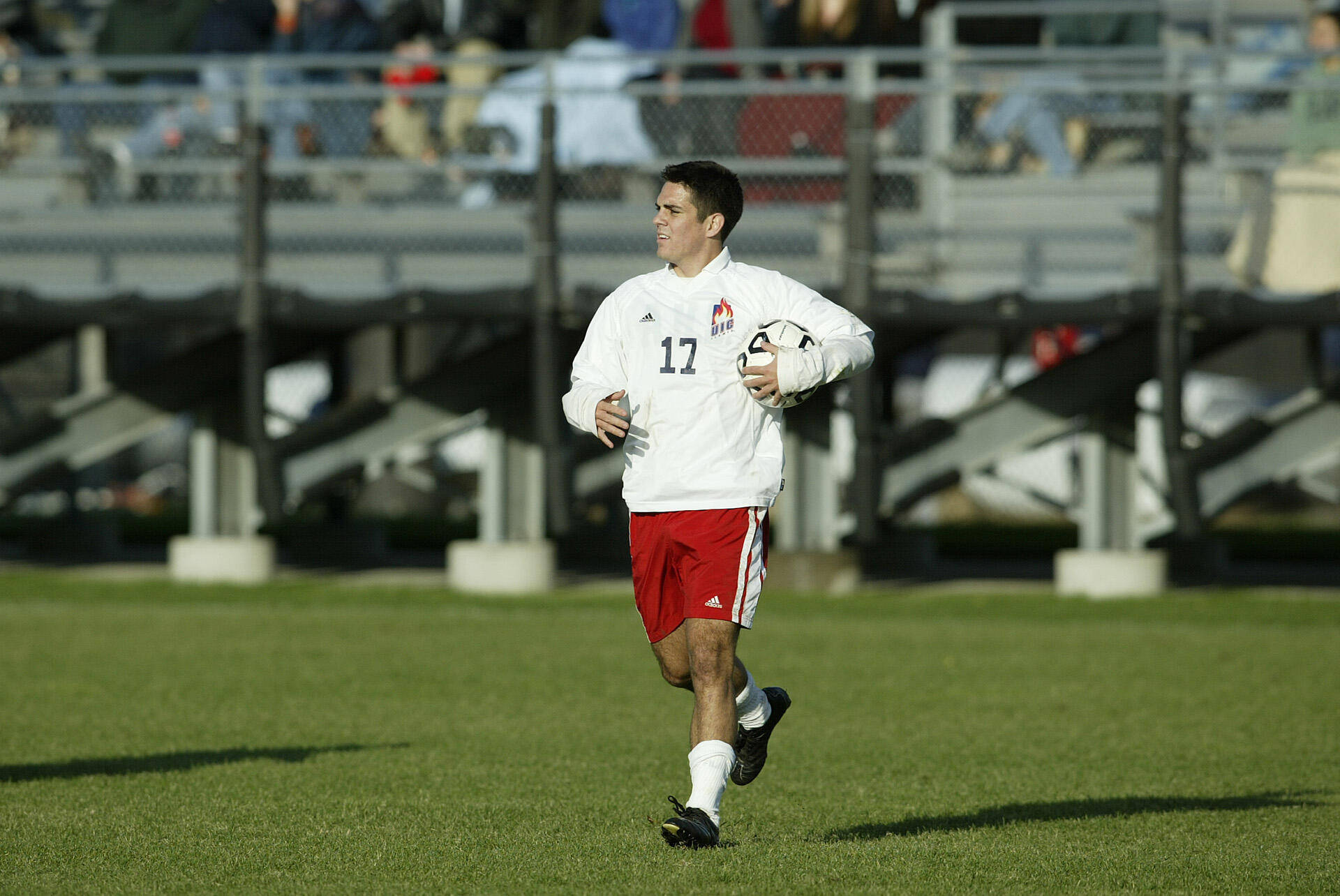
On the soccer field, progress rarely comes from the actions of a single player. It comes from coordinated effort, a shared determination to move the ball forward — the whole team advancing, one pass at a time.
At the University of Illinois College of Medicine (UI COM), that same spirit of teamwork is at the heart of a different kind of pursuit: advancing research into amyotrophic lateral sclerosis (ALS), a devastating neurodegenerative disease that still has no cure.
Driving that effort is the Patrick Grange Memorial Foundation, created by a close-knit group of former University of Illinois Chicago soccer teammates and friends after the loss of one of their own.
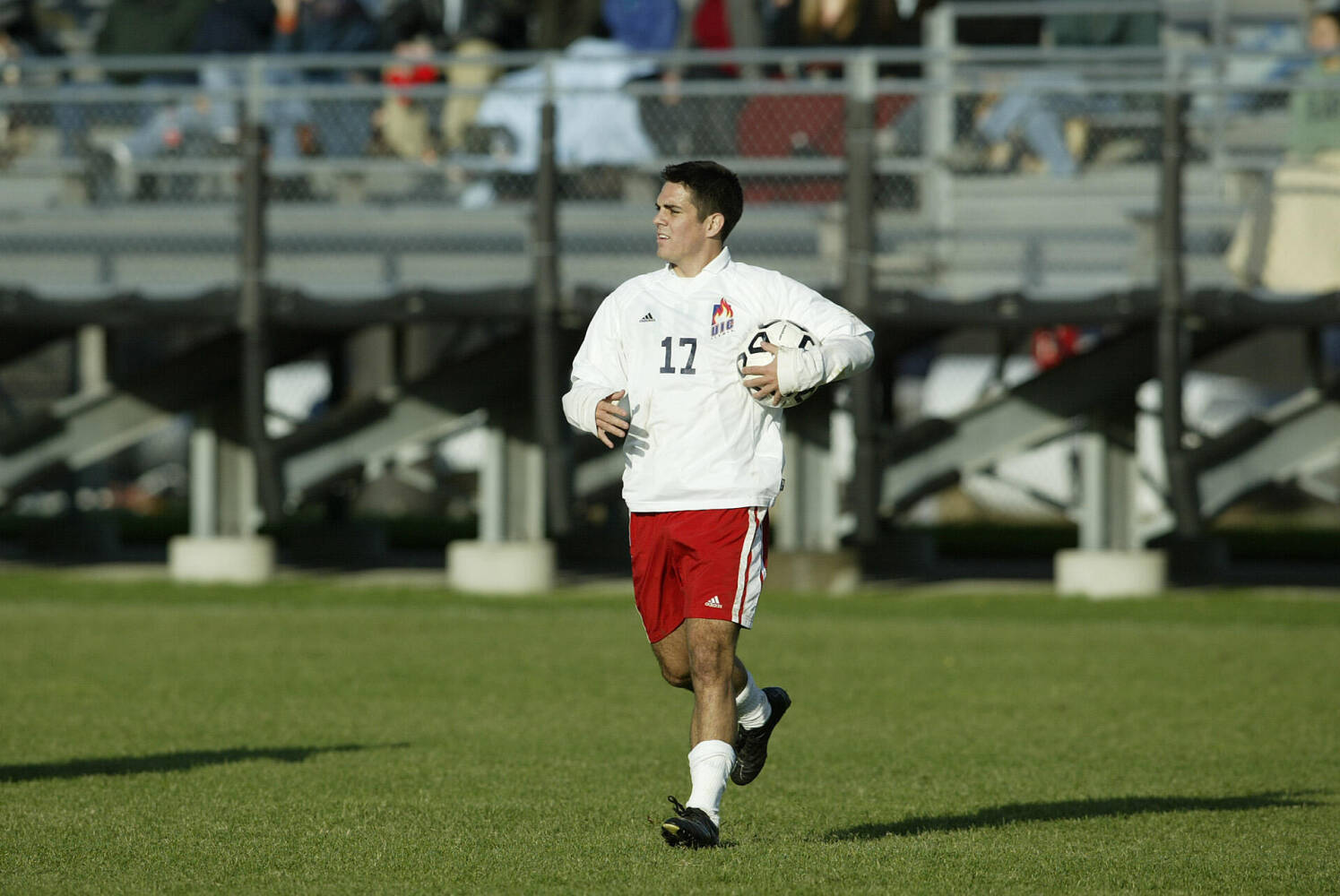
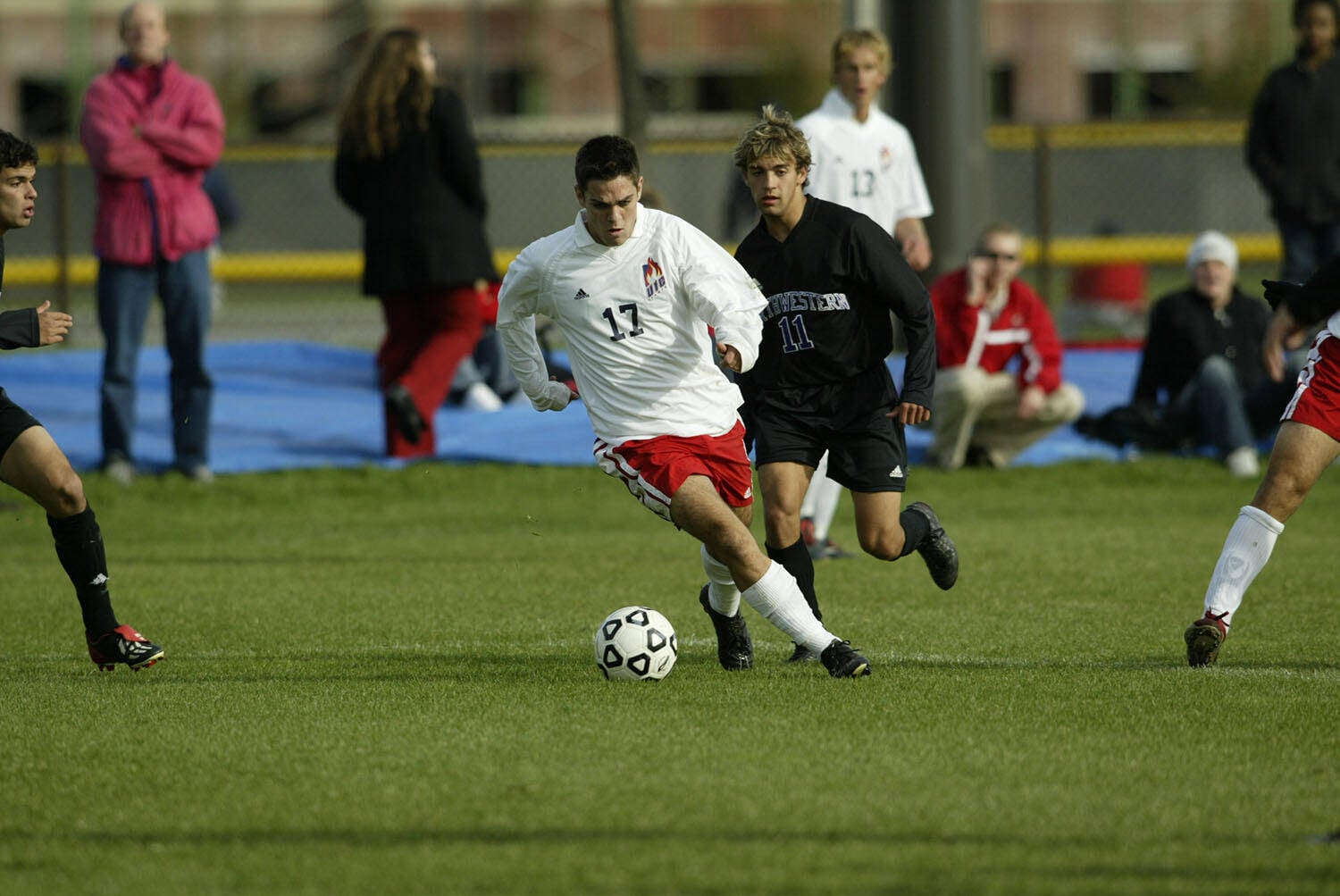
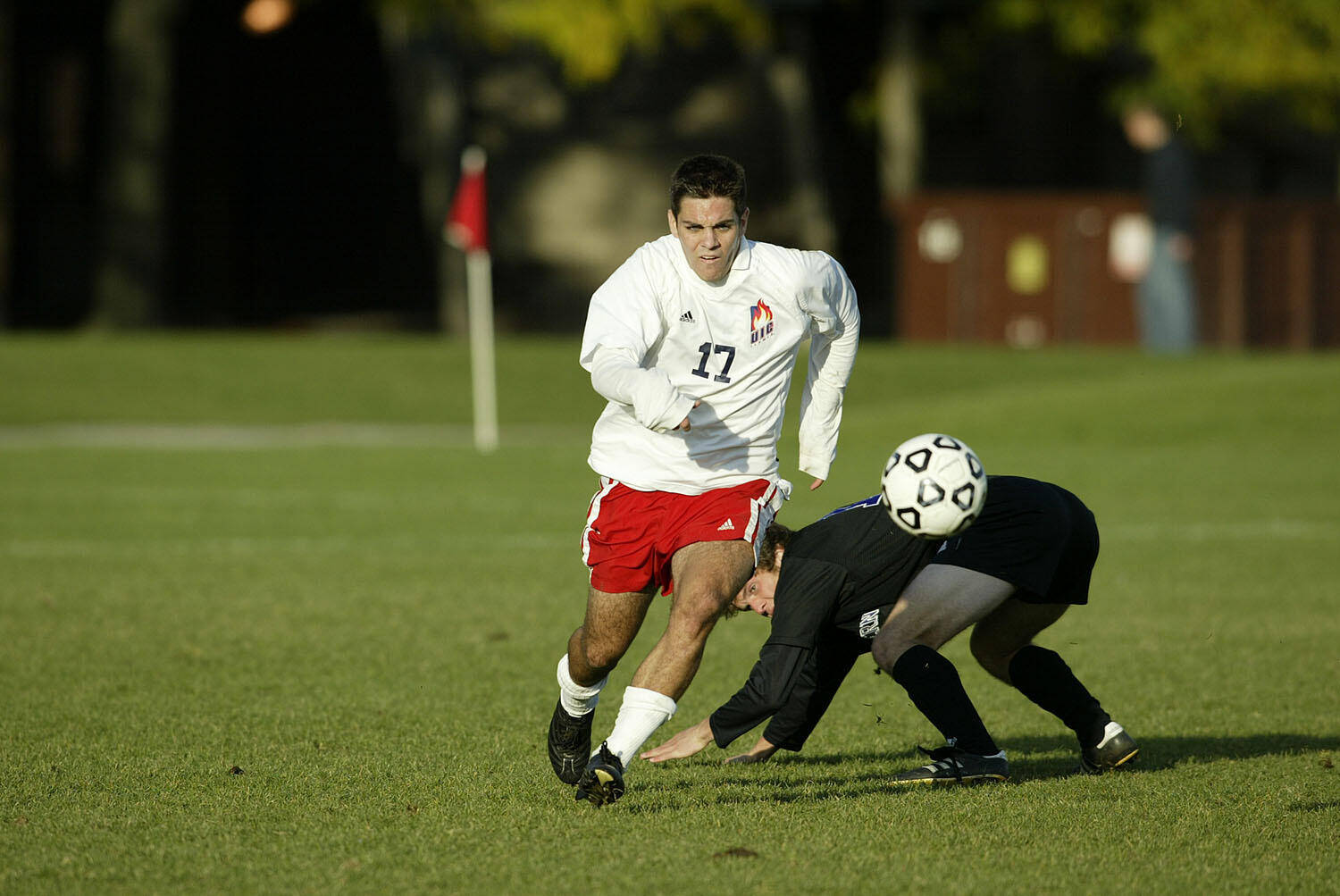
Patrick Grange was, by all accounts, a remarkable person — not because he commanded attention, but because of the way he showed up for others. “He wasn’t the one dominating the room,” says Ryan Lindgren BS ‘00, a friend and former teammate who serves as the foundation’s president. “But he was always the person you wanted there.”
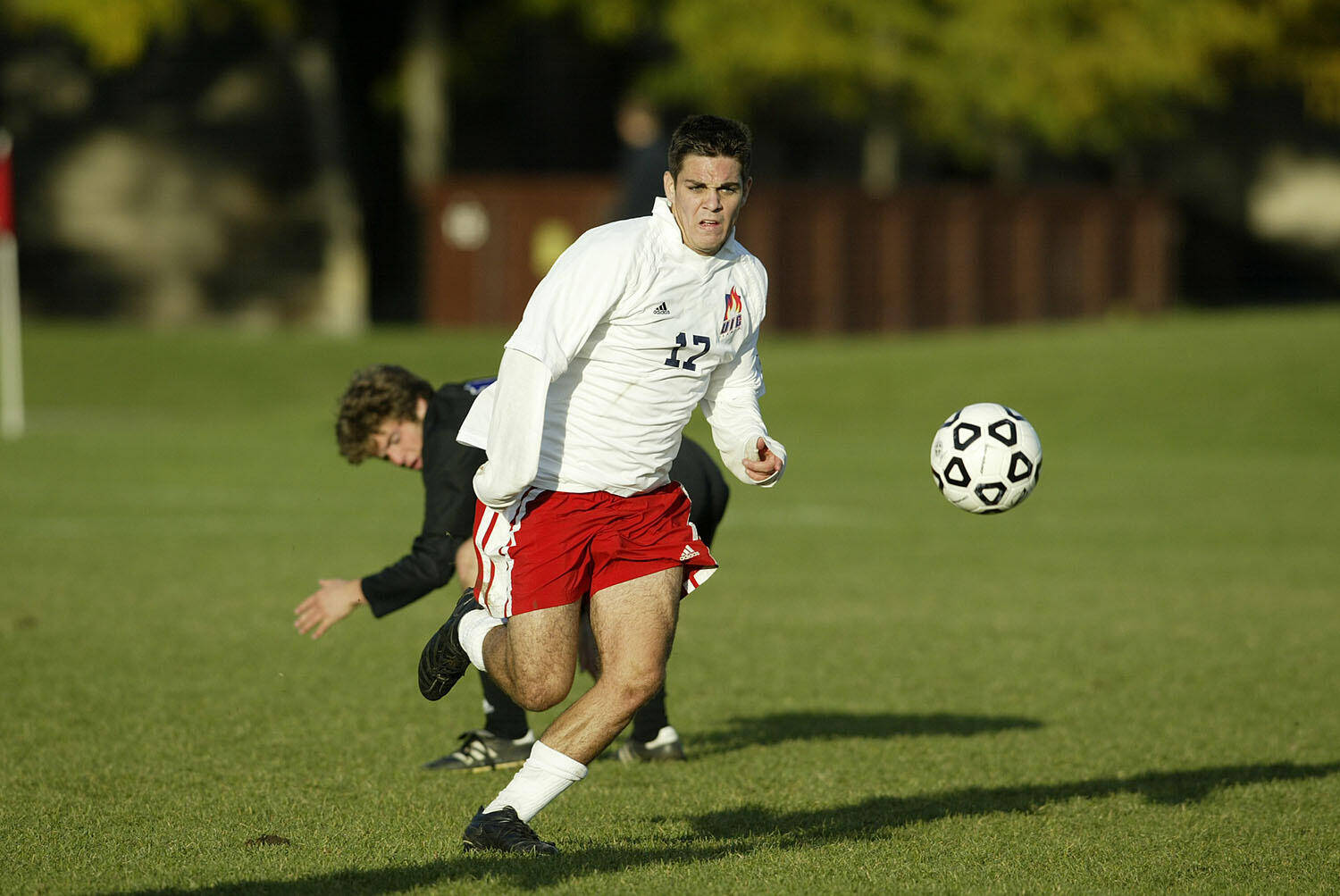
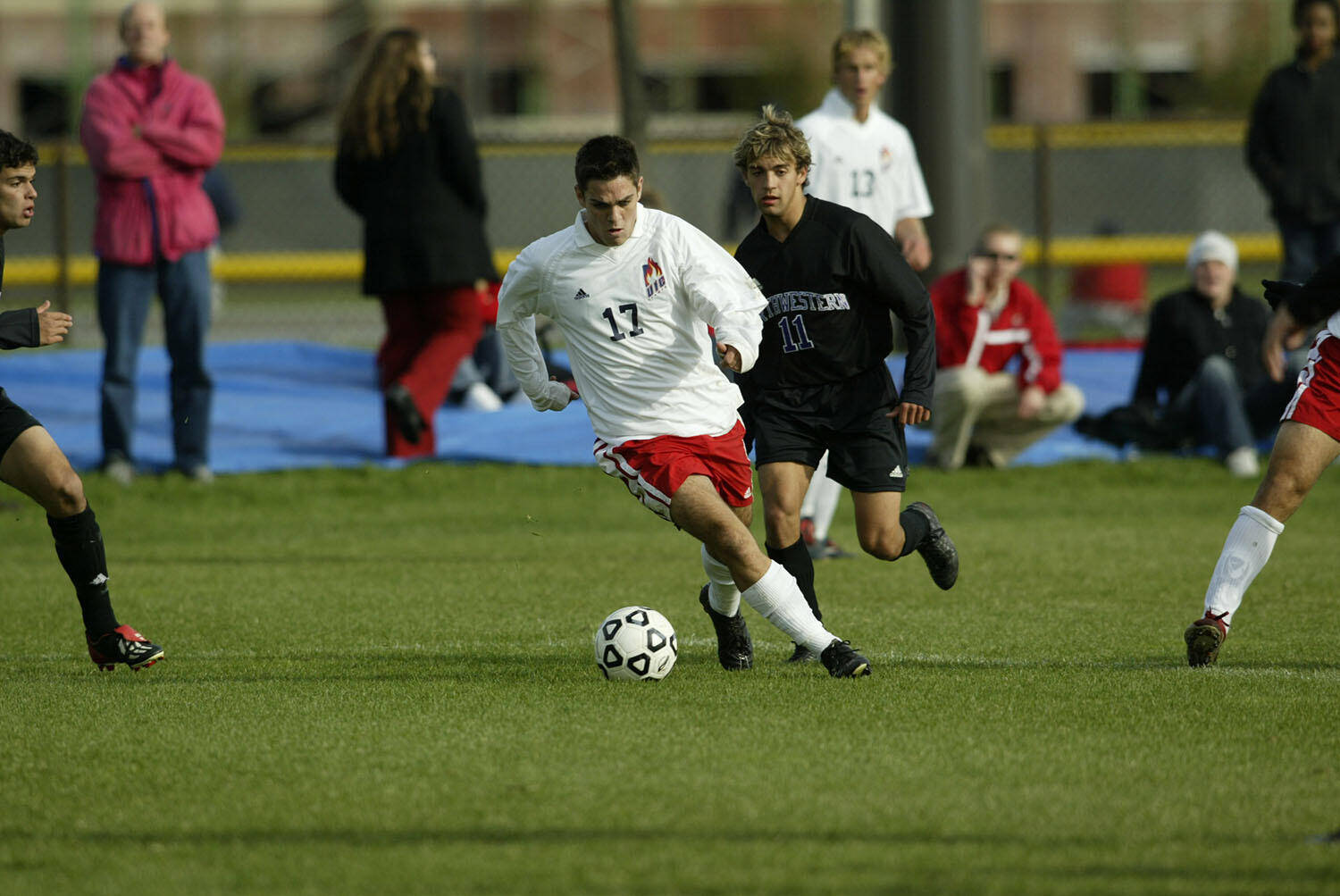
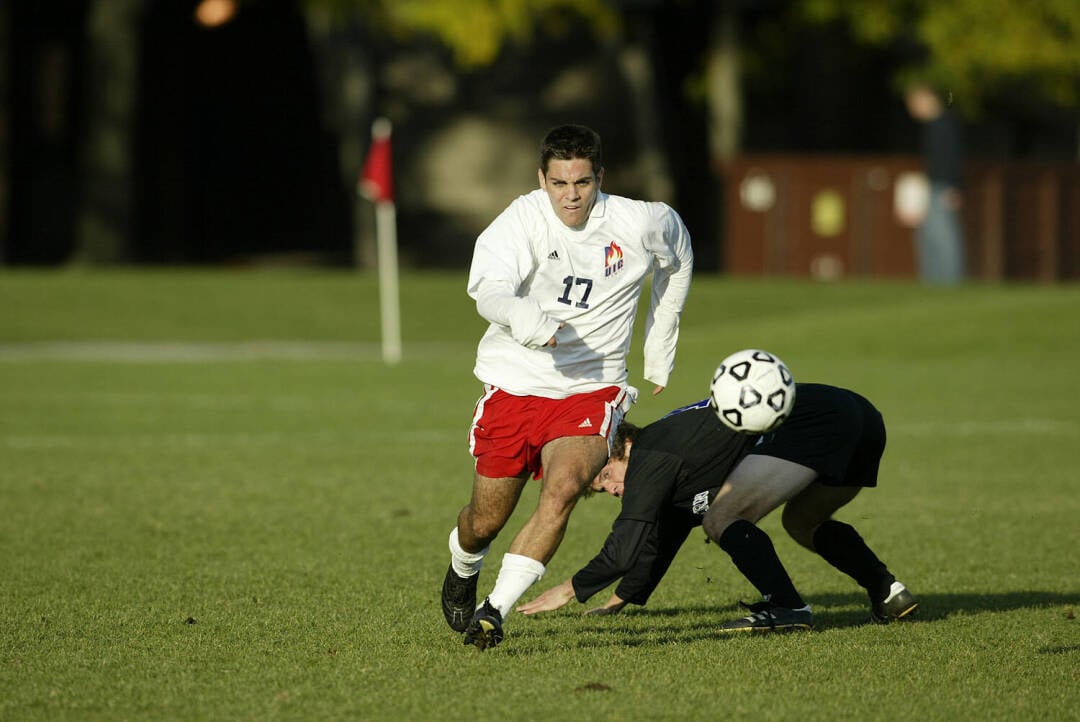
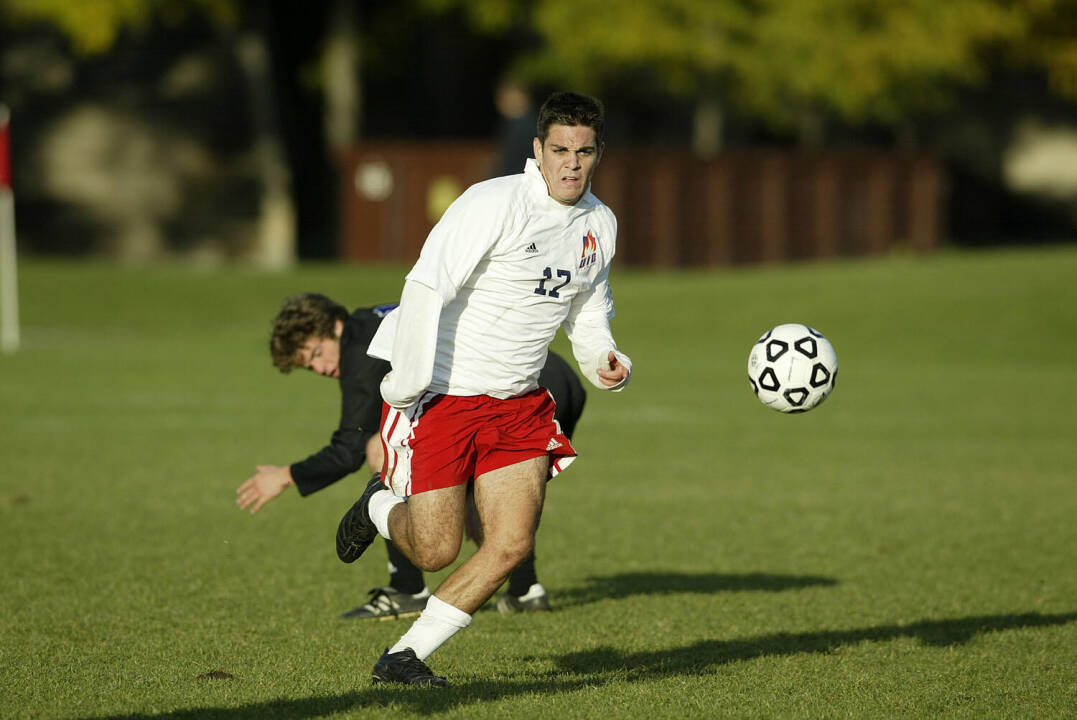
On the field, however, Grange played with a real intensity. He was fast, aggressive and relentless. That contrast — quiet off the field, fierce on it — left a lasting impression on those who played and coached alongside him at UIC.
Years later, that same group of teammates would be reunited under far different circumstances. In 2010, when he was just 28 years old, Grange was diagnosed with ALS.
“When that kind of news hits, everything just goes blank,” says Lindgren, recalling the moment Grange shared his diagnosis.
Just 17 months later, he was gone.
In the face of that loss, his teammates did what teams do: they acted. Within months, they organized their first fundraiser in Chicago, a grassroots effort to support Grange and his family. What began as a golf outing and a modest gathering quickly took on new meaning. After Grange’s passing, those early efforts evolved into the Patrick Grange Memorial Foundation.

by Ben Stephens
Turning grief into momentum
“It isn’t just about our UIC ties,” explains John Collins BS ‘00, MS ‘03, PhD ‘10, a foundation board member and friend of Grange. “That connection alone wouldn’t have been enough. It was Jeff and his lab. Every year they show they’re doing something important with the money.”
That trust has turned into sustained support, with the foundation providing annual funding to Dr. Loeb’s research team.
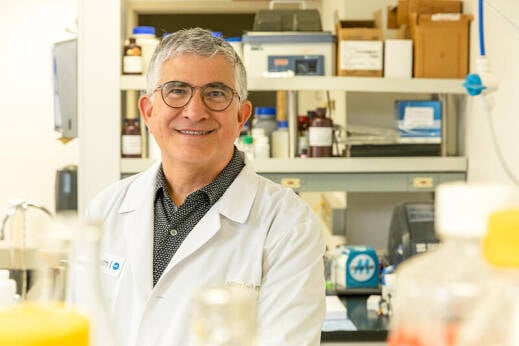
Today, the foundation directs its fundraising efforts toward supporting the work of Dr. Jeffrey Loeb, John S. Garvin Endowed Chair in Neurology and head of the College of Medicine’s Department of Neurology & Rehabilitation. His lab is exploring new ways to understand and combat ALS.
The partnership is rooted in both personal connection and scientific promise.
In its earliest years, the foundation focused on supporting the Grange family. But over time, Patrick’s family encouraged the group to think beyond immediate support — to channel their energy and fundraising toward fighting ALS.
That shift led them to research.
The power of ‘gap funding’
In medical research, progress often hinges on large federal grants. But those grants are highly competitive and can be especially difficult to obtain for early-stage, unconventional, or high-risk ideas.
That’s where the Patrick Grange Memorial Foundation has found its purpose.
Rather than funding large-scale projects outright, the foundation provides what researchers call “gap funding” — smaller, targeted investments that allow labs to collect the preliminary data needed to compete for major grants.
“These are the kinds of funds that let us answer critical questions,” says Dr. Loeb of the foundation’s support. “If you want to propose something truly innovative, you’re not going to get it funded right away. This support gives us a chance to prove it works.”
Those contributions, often in the range of $20,000 to $50,000, can have an outsized impact. In many cases, they fund graduate students, enabling entire projects to move forward.
“That’s huge,” Dr. Loeb says. “It means we can put another person on the problem — someone who otherwise wouldn’t be working on it at all.”
A new angle on ALS
The research supported by the foundation is pushing into relatively unexplored territory.
ALS has been studied for decades, yet its causes still elude understanding. Traditional research has often focused on genetics or head trauma. Dr. Loeb’s lab, however, is investigating a different possibility: the role of peripheral nerve injuries.
Using human studies, autopsy data and animal models, the team has found evidence that repeated nerve injuries — common in athletes like Grange — may trigger or accelerate the disease in people who have a predisposition.
“We’ve been able to show that you can actually induce the disease at a specific site,” Dr Loeb explains.
That finding could help explain why ALS often begins in one limb, and why it sometimes affects young, otherwise healthy athletes. It also opens the door to new strategies — not just treating ALS after symptoms appear, but potentially slowing or preventing its progression by reducing nerve injury and inflammation.
The next generation of discovery
The impact of the foundation’s support is especially visible in the people behind the research, including early-career scientists like Haley Cropper, an MD/PhD candidate and researcher in Dr. Loeb’s lab whose work was supported in part by the Patrick Grange Memorial Foundation.
For Cropper, that funding made it possible to pursue questions that don’t always fit neatly into traditional funding streams. Her work contributed to the lab’s research on how nerve injury and inflammation may influence the onset and progression of ALS — an emerging area that is not yet widely funded.
But her connection to the research is also personal. Cropper lost an aunt to ALS, an experience that shaped how she viewed the disease long before she began studying it in the lab.
“You’re always aware that what you’re studying is happening to real people, in real time,” she says.
Support from the foundation allowed Cropper to continue that work, and to contribute to a growing body of research aimed not only at understanding ALS, but at changing its trajectory.
A shared goal
Today, the Patrick Grange Memorial Foundation continues to host annual events that bring together alumni, friends and supporters — many of whom never met Grange but who are inspired by his story to take action.
For the foundation’s founders, the mission remains both simple and ambitious: to keep moving the ball up the field.
They are realistic about the scale of the challenge. ALS remains incurable, and progress is often slow. But they also understand the cumulative power of persistence.
“It’s a drop in the bucket in terms of total funding,” acknowledges Collins. “But if it helps generate the data that leads to a major breakthrough, then it’s worth it.”

How a UIC Team Is Driving ALS Research Forward
From the Pitch to the Lab:
On the soccer field, progress rarely comes from the actions of a single player. It comes from coordinated effort, a shared determination to move the ball forward — the whole team advancing, one pass at a time.
At the University of Illinois College of Medicine (UI COM), that same spirit of teamwork is at the heart of a different kind of pursuit: advancing research into amyotrophic lateral sclerosis (ALS), a devastating neurodegenerative disease that still has no cure.
Driving that effort is the Patrick Grange Memorial Foundation, created by a close-knit group of former University of Illinois Chicago soccer teammates and friends after the loss of one of their own.
Patrick Grange was, by all accounts, a remarkable person — not because he commanded attention, but because of the way he showed up for others. “He wasn’t the one dominating the room,” says Ryan Lindgren BS ‘00, a friend and former teammate who serves as the foundation’s president. “But he was always the person you wanted there.”
On the field, however, Grange played with a real intensity. He was fast, aggressive and relentless. That contrast — quiet off the field, fierce on it — left a lasting impression on those who played and coached alongside him at UIC.
Years later, that same group of teammates would be reunited under far different circumstances. In 2010, when he was just 28 years old, Grange was diagnosed with ALS.
“When that kind of news hits, everything just goes blank,” says Lindgren, recalling the moment Grange shared his diagnosis.
Just 17 months later, he was gone.
In the face of that loss, his teammates did what teams do: they acted. Within months, they organized their first fundraiser in Chicago, a grassroots effort to support Grange and his family. What began as a golf outing and a modest gathering quickly took on new meaning. After Grange’s passing, those early efforts evolved into the Patrick Grange Memorial Foundation.

by Ben Stephens
Turning grief into momentum
In its earliest years, the foundation focused on supporting the Grange family. But over time, Patrick’s family encouraged the group to think beyond immediate support — to channel their energy and fundraising toward fighting ALS.
That shift led them to research.
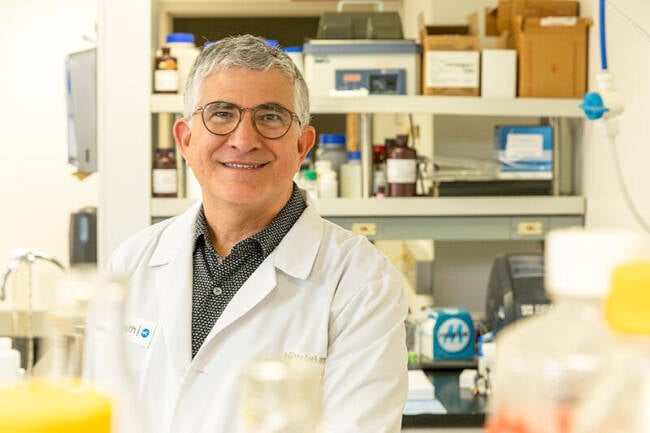
Today, the foundation directs its fundraising efforts toward supporting the work of Dr. Jeffrey Loeb, John S. Garvin Endowed Chair in Neurology and head of the College of Medicine’s Department of Neurology & Rehabilitation. His lab is exploring new ways to understand and combat ALS.
The partnership is rooted in both personal connection and scientific promise.
“It isn’t just about our UIC ties,” explains John Collins BS ‘00, MS ‘03, PhD ‘10, a foundation board member and friend of Grange. “That connection alone wouldn’t have been enough. It was Jeff and his lab. Every year they show they’re doing something important with the money.”
That trust has turned into sustained support, with the foundation providing annual funding to Dr. Loeb’s research team.
The power of
‘gap funding’
In medical research, progress often hinges on large federal grants. But those grants are highly competitive and can be especially difficult to obtain for early-stage, unconventional, or high-risk ideas.
That’s where the Patrick Grange Memorial Foundation has found its purpose.
Rather than funding large-scale projects outright, the foundation provides what researchers call “gap funding” — smaller, targeted investments that allow labs to collect the preliminary data needed to compete for major grants.
“These are the kinds of funds that let us answer critical questions,” says Dr. Loeb of the foundation’s support. “If you want to propose something truly innovative, you’re not going to get it funded right away. This support gives us a chance to prove it works.”
Those contributions, often in the range of $20,000 to $50,000, can have an outsized impact. In many cases, they fund graduate students, enabling entire projects to move forward.
“That’s huge,” Dr. Loeb says. “It means we can put another person on the problem — someone who otherwise wouldn’t be working on it at all.”
A new angle
on ALS
The research supported by the foundation is pushing into relatively unexplored territory.
ALS has been studied for decades, yet its causes still elude understanding. Traditional research has often focused on genetics or head trauma. Dr. Loeb’s lab, however, is investigating a different possibility: the role of peripheral nerve injuries.
Using human studies, autopsy data and animal models, the team has found evidence that repeated nerve injuries — common in athletes like Grange — may trigger or accelerate the disease in people who have a predisposition.
“We’ve been able to show that you can actually induce the disease at a specific site,” Dr Loeb explains.
That finding could help explain why ALS often begins in one limb, and why it sometimes affects young, otherwise healthy athletes. It also opens the door to new strategies — not just treating ALS after symptoms appear, but potentially slowing or preventing its progression by reducing nerve injury and inflammation.
The next generation of discovery
The impact of the foundation’s support is especially visible in the people behind the research, including early-career scientists like Haley Cropper, an MD/PhD candidate and researcher in Dr. Loeb’s lab whose work was supported in part by the Patrick Grange Memorial Foundation.
For Cropper, that funding made it possible to pursue questions that don’t always fit neatly into traditional funding streams. Her work contributed to the lab’s research on how nerve injury and inflammation may influence the onset and progression of ALS — an emerging area that is not yet widely funded.
But her connection to the research is also personal. Cropper lost an aunt to ALS, an experience that shaped how she viewed the disease long before she began studying it in the lab.
“You’re always aware that what you’re studying is happening to real people, in real time,” she says.
Support from the foundation allowed Cropper to continue that work, and to contribute to a growing body of research aimed not only at understanding ALS, but at changing its trajectory.
A shared goal
Today, the Patrick Grange Memorial Foundation continues to host annual events that bring together alumni, friends and supporters — many of whom never met Grange but who are inspired by his story to take action.
For the foundation’s founders, the mission remains both simple and ambitious: to keep moving the ball up the field.
They are realistic about the scale of the challenge. ALS remains incurable, and progress is often slow. But they also understand the cumulative power of persistence.
“It’s a drop in the bucket in terms of total funding,” acknowledges Collins. “But if it helps generate the data that leads to a major breakthrough, then it’s worth it.”