2026 UIC Alumni Awards Winners
Generations of
Achievement
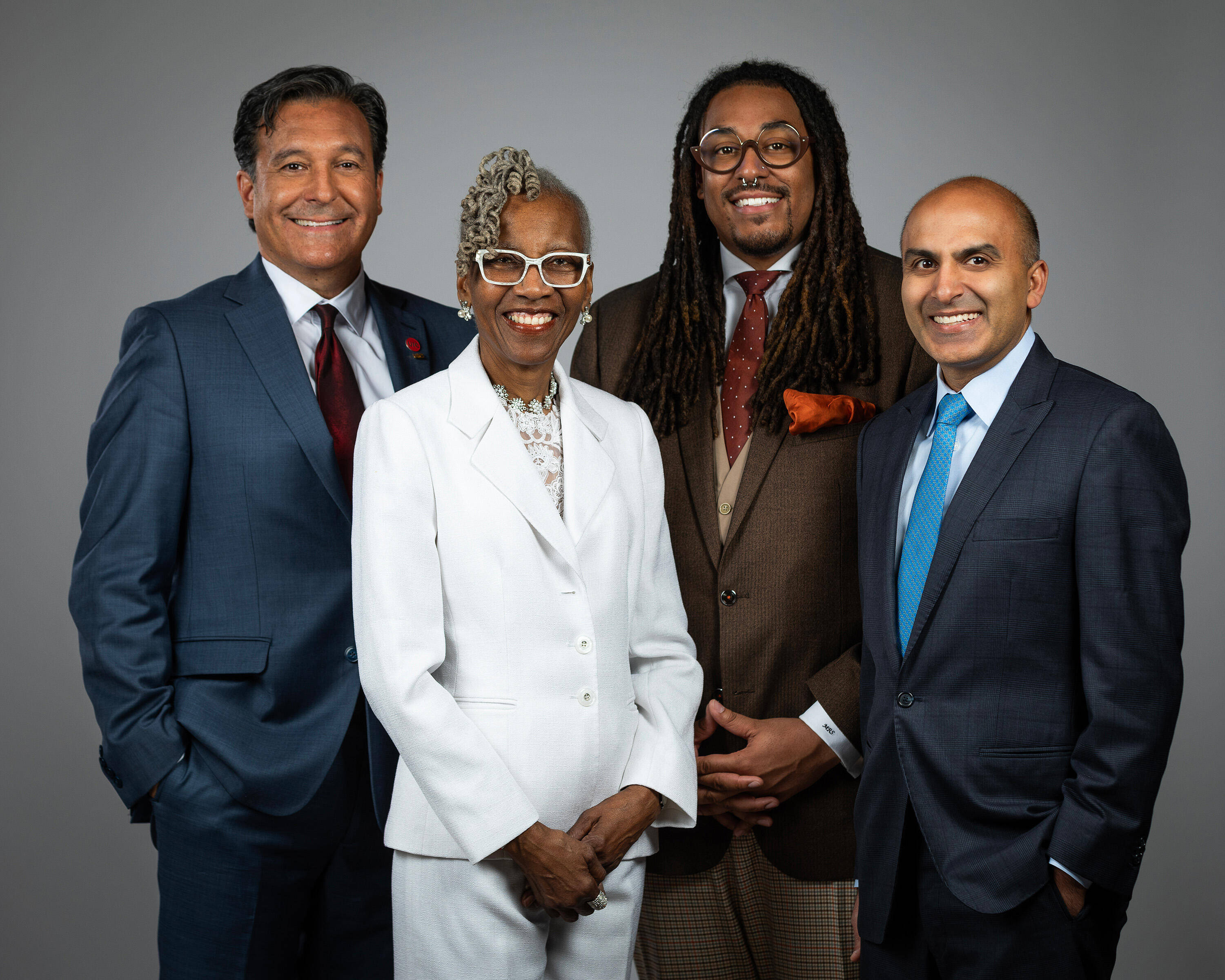
Each year, the University of Illinois Chicago Alumni Association recognizes extraordinary alumni who contribute to a vibrant, healthier, more connected world.
Leveraging their UIC educations, these Alumni Award honorees uplift lives locally and abroad by applying their knowledge and dedication to pressing social challenges — from illness to educational access to people experiencing homelessness. Through their spirited work, they reimagine the status quo and ignite new realities. They advocate for overlooked populations, foster stronger communities and craft solutions to lingering inequities.
These distinguished alumni are changemakers, and their accomplishments — driven by earnest purpose and a tireless commitment to service — underscore the power of individuals to use their time and talents to create the world they want to live in.
Alumni Achievement Award
Chrissie P. N. Kaponda
PhD ’96
In a dynamic career spanning academia, service and national health systems leadership, Dr. Chrissie Kaponda has transformed futures and elevated quality of life in her home country of Malawi.
Kaponda attended UIC through the United States Agency for International Development’s African Graduate Fellowship Program. Her ability to dive into thoughtful research projects — ranging from peer education for AIDS prevention among women in Botswana, to a study of teen motherhood in the maternal-child nursing department — immediately impressed her classmates and professors.
“[Kaponda] has both exceptional intellectual capacities and a deep commitment to the nursing profession [and] women’s health,” says Dr. Kathleen Norr, Kaponda’s PhD faculty advisor at UIC.
Kaponda’s vision of improving global health care, combined with the skills and collaborations she developed during her PhD studies at UIC, deepened her expertise and expanded the impact of the work she would lead across Malawi.
Kaponda’s efforts as a faculty member at the University of Malawi’s Kamuzu College of Nursing (KCN) advanced Malawi’s nursing education and research capacity. She strengthened the nation’s pipeline of nursing educators and researchers by launching the college’s MS and PhD programs and spearheaded her own groundbreaking research projects focused on maternal/child health and HIV prevention.
In securing funding from the National Institutes of Health, she helped to establish Malawi’s first research center at a college of nursing. Her leadership positioned Malawian scholars to lead impact-driving research projects elevating care and quality of life.
After her 2015 retirement from KCN, Kaponda continued championing public and personal health across Malawi. She developed a national program to promote safer motherhood at the first lady’s request and chaired the Blantyre Water Board, where she led reforms that strengthened accountability, stabilized water access and helped curb a cholera outbreak in Lilongwe, Malawi’s largest city.
In 2022, Kaponda founded the Ekodda Foundation, a community-focused organization dedicated to enhancing health, education and sustainable development in Malawi’s Phalombe district — the area she and her family have called home for generations. The foundation’s work includes supporting HIV prevention peer groups, providing university scholarships and helping rural residents develop income-generating small businesses.
Linda McCreary BSN ’73, MSN ’93, PhD ’00, the former associate dean for global health at UIC’s College of Nursing, says Kaponda’s career stands as an inspired example of bringing global thinking to local action.
“It is difficult to overstate the significance of her contributions to both the development of the nursing profession and improvement of the health and well-being of the citizens of her country,” McCreary says.
Alumni Achievement Award
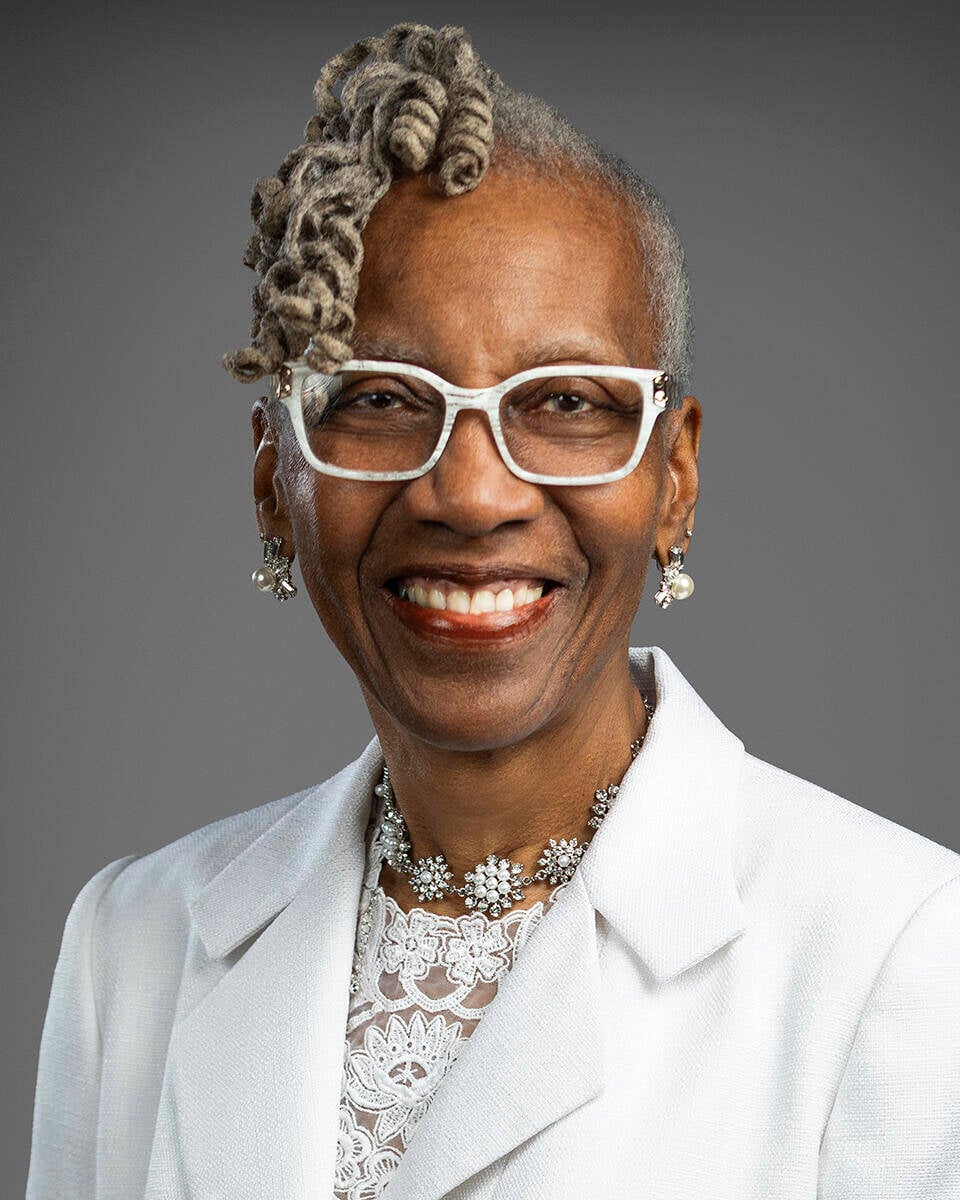
Dr. Javette Orgain
BS ’72, MD ’81, MPH ’05
A trailblazing family medicine physician, Dr. Javette Orgain spent her career caring for patients, training young doctors and strengthening community-based health care in Chicago — work that has shaped how UIC and other institutions practice and teach family medicine.
Though Orgain majored in mathematics as a UIC undergraduate, a kinesiology course sparked a fascination with the human body. At the same time, Orgain’s devotion to advocacy blossomed as she volunteered at a local YMCA tutoring students and organizing a farmers market in a Chicago public housing project on the near West Side.
“Activism at UIC in one of the first black student organizations on campus got me engaged with the community, and I never looked back,” she says. “At that time, I was also blessed with mentors who believed in my abilities and supported my dreams.”
Orgain enrolled in medical school at UIC and devoted 25 years to teaching family medicine and practice at the university, including two separate stints as medical director of the Mile Square Health Center, a Federally Qualified Health Center providing comprehensive primary care to those from Chicago communities long struggling with barriers to health care access.
Black Enterprise named Orgain one of the nation’s leading Black doctors while the National Medical Association named Orgain its Practitioner of the Year in 2014. Elsewhere, organizations such as the Illinois Academy of Family Physicians, the Cook County Physicians Association, and the Association of Black Women Physicians recognized Orgain’s career with additional honors.
Awards aside, Orgain considers mentorship her career’s “most important” endeavor.
“Then and now, I want to share so underrepresented students in medicine can learn from my experiences and not reinvent the wheel,” says Orgain, who helped the College of Medicine’s Urban Health Program recruit traditionally underrepresented students to UIC.
Although Orgain has been retired from UIC since 2017, she maintains a quick pace. She’s involved with nine organizations today, including serving as a board member for Longevity Health Plan of Illinois, a Medicare Advantage Special Needs Plan. The role continues Orgain’s lengthy career of advocacy and education on behalf of elders and individuals in nursing homes or assisted living facilities, which includes two decades as a hospice home care physician.
“I love the words of [former U.S. Congresswoman] Shirley Chisholm: ‘Service is the rent we pay for the privilege of living on this earth,’” Orgain says. “That’s my motto and I’ve tried to live by those words throughout my life. Pay it Forward!”
Distinguished Service Award
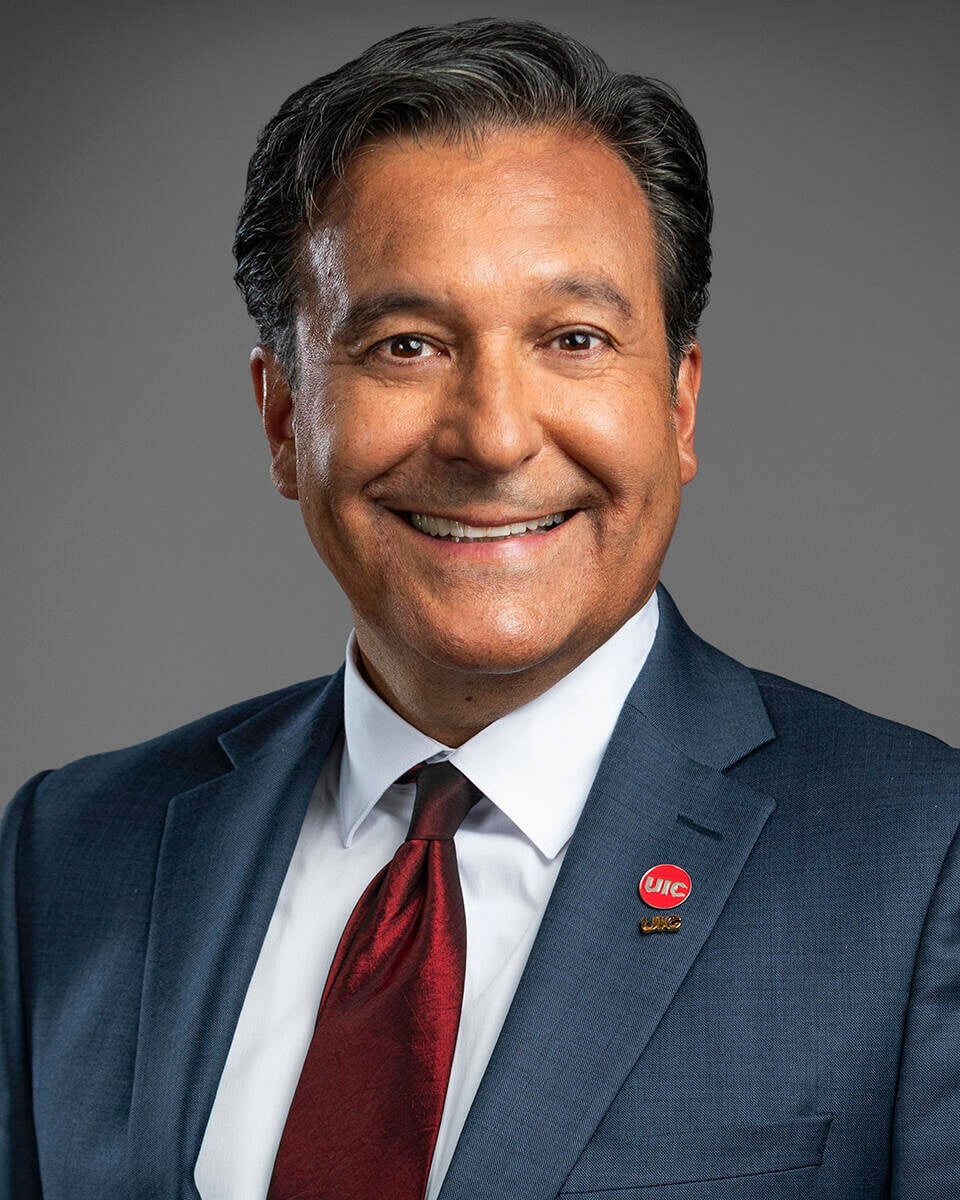
Peter Skosey
MUPP ’93
As Peter Skosey planned monthly events for the Chicago Area Public Affairs Group, he regularly extended personal invites to College of Urban Planning and Public Affairs (CUPPA) students he met through the CUPPA Alumni Association’s mentorship program. Skosey spearheaded the founding of the association in 1997 and helped create key organizational efforts like its mentorship program and annual block party. In his estimation, a vibrant college community rooted in personal relationships would drive individual success and elevate both UIC and CUPPA in Chicago’s professional ranks.
Skosey has a long history of championing UIC, a commitment spurred by gratitude for the university’s role in propelling his career.
The Chicago native discovered the power of advocacy and community involvement as a CUPPA graduate student. Classes, he says, leveraged Chicago as a laboratory for exploration, sparking important reflection about planning’s role in driving the long-term health of a metropolis and quality of life for its residents.
Skosey’s UIC education led to a decorated — and ongoing — career propelling Chicago’s evolution. His 20-year run with the Metropolitan Planning Council included rewriting Illinois’ Tax Increment Financing law allowing support for school expenses and steering the master plan for Union Station’s redevelopment.
Skosey, who now serves as BNSF Railway’s executive director of public and government affairs, has remained consistently engaged with his alma mater. At his behest, BNSF endowed CUPPA’s Last Mile Fund with a $50,000 gift in 2021 to provide emergency relief in perpetuity to near-graduating students encountering financial hardship.
Skosey’s efforts with CUPPA prompted board leadership roles with the UIC Alumni Association, where he recently chaired the Alumni Advocacy Task Force and guided initiatives promoting investment in the University of Illinois System.
“UIC has played such a pivotal role in setting me on my professional life’s trajectory that I’m beholden to it beyond words,” Skosey says.
Humanitarian Award
Dr. Vijay Khiani
BS ’01, BA ’01, MD ’05
Vijay Khiani founded New Life Volunteering Society in 1999 as an undergraduate at UIC. Since then, he has grown the organization into an ambitious, multilayered service organization delivering health care, education and community support to thousands across Chicago and beyond.
Inspired by Indian spiritual leader Dada Vaswani’s challenge to uplift those in need, Khiani quickly turned NLVS into a hands‑on campus movement at UIC. Within several years of NLVS’s launch, more than 200 student volunteers were out in Chicago serving people experiencing hunger, homelessness, disability and financial hardship while the upstart organization had also launched a tutoring program supporting upwards of 250 local students.
As a UIC medical student, Khiani then spearheaded NLVS’s partnership with the Indian American Medical Association Charitable Foundation to establish a free health clinic in Chicago’s West Rogers Park neighborhood. Still in operation since 2003, the NLVS clinic effort provides the community with approximately 1,000 patient visits each year.
“UIC prioritizes community engagement and has people eager to make a difference, which made it the ideal place to launch NLVS,” Khiani says.
While the creation of 25 NLVS chapters on college campuses across the U.S. amplified NLVS’s impact, Khiani shepherded NLVS’s transformation from scattered campus student organizations into one stable nonprofit agency based in Chicago that continues to hold national ambitions.
Khiani strategically centered the group's effort in Chicago with outreach across the city and beyond. Last year, NLVS volunteers participated in almost 70 community service initiatives, including efforts such as distributing meals on a weekly basis at the Pilsen Food Pantry; providing health education workshops at a women's shelter called Deborah's place; and serving meals on Sunday evenings at the South Loop Community Table to those experiencing food and housing insecurity. (NLVS volunteers also embarked on a global health trip to Panama last summer.) The NLVS tutoring program, which Khiani started in 2001, continues to be a valuable resource for education and mentorship for students in need across the Chicagoland area.
“The sincere appreciation we receive from our efforts confirms we’re putting our energy in the appropriate places,” Khiani says. “It’s energizing to take the extra steps and provide help where it’s needed.”
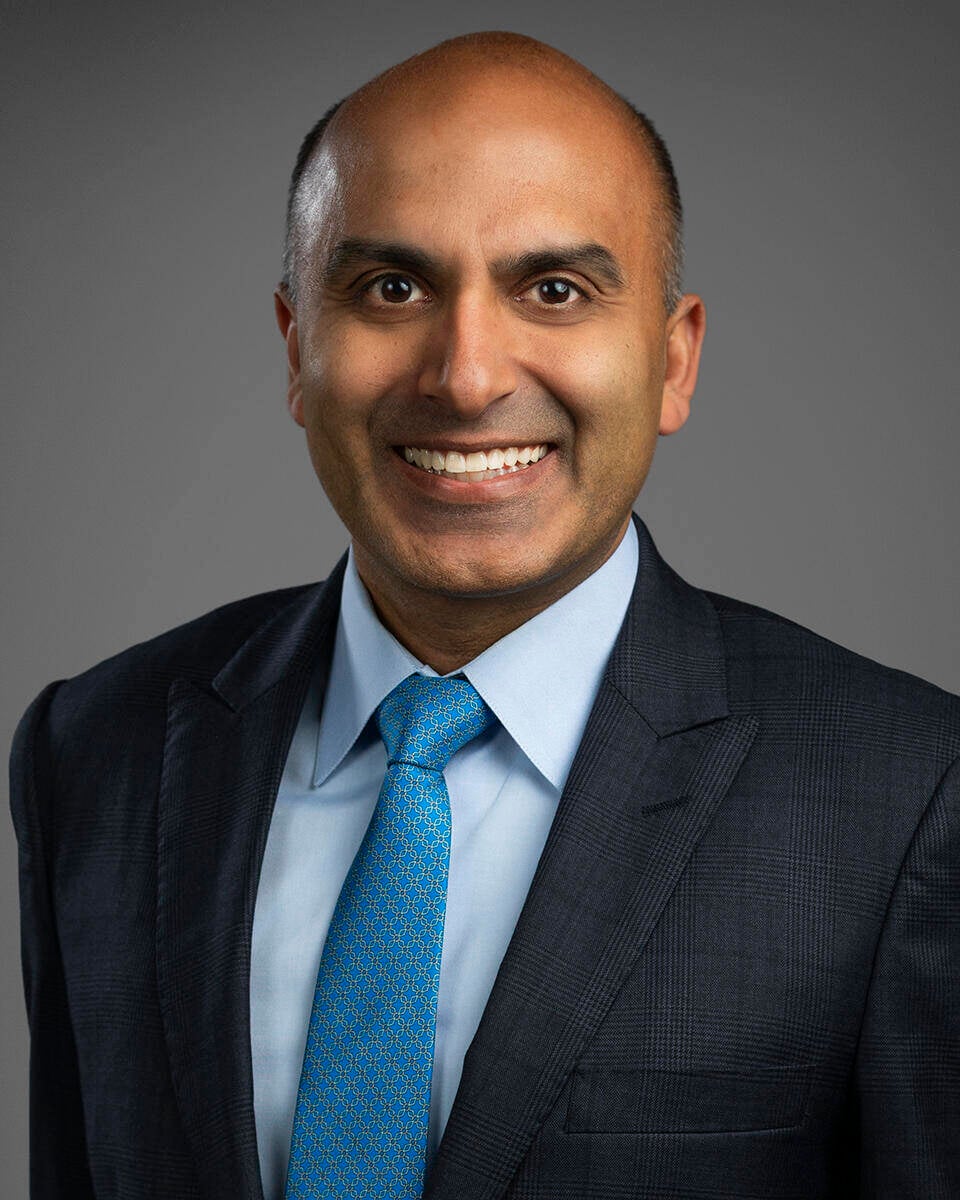
Rising Star Leadership Award
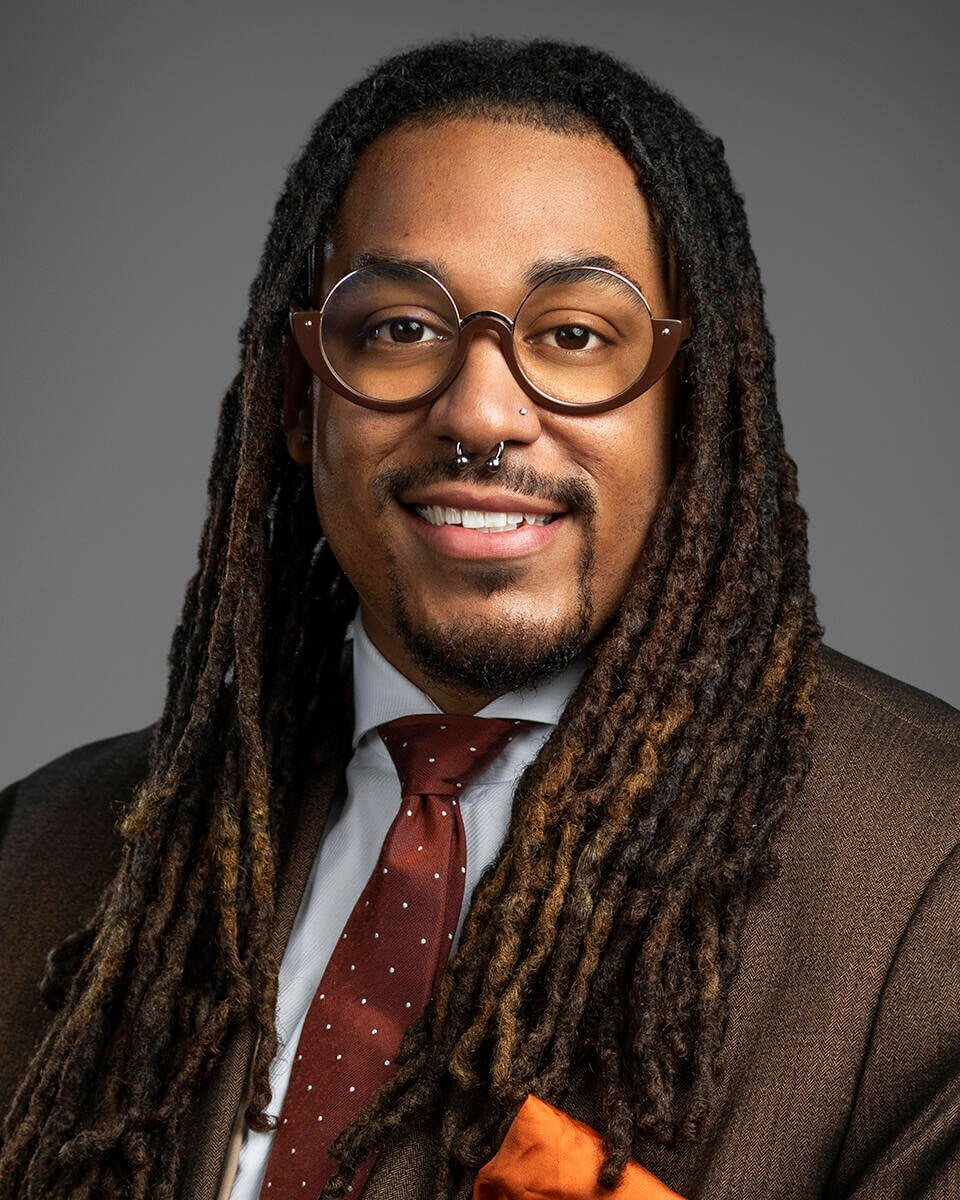
Matthew Swalek
BA ’21
At Chicago’s City Hall, Matthew Swalek steers a transformative effort to counter decades of systemic inequities in his hometown.
Swalek, a native of Chicago’s Pullman neighborhood, attended UIC with one pragmatic mission: to graduate. Majoring in human development and learning in the College of Education, as well as his experience as an Urban Public Policy Fellow with UIC’s Institute for Policy and Civic Engagement, stirred an interest in politics.
“I saw public service as a vehicle to create change,” he says.
Swalek earned a master’s degree in public policy from the University of Chicago in 2024 and soon after joined Chicago Mayor Brandon Johnson’s policy team. There, Swalek’s thoughtful assessments of prospective policy initiatives brought immediate promotions and additional opportunities to shape Chicago’s profile.
In 2025, the Mayor's Office of Equity and Racial Justice named Swalek its director of community healing. He is now managing Chicago's Reparations Task Force, a 40-member group developing the city’s first comprehensive reparations study for release later this year. The report will analyze harmful policies to Black Chicagoans and deliver recommendations to drive equitable transformation in city operations.
“Being from an underserved part of Chicago, I understand why equity and community healing is necessary,” Swalek says. “It’s what drives me to create the greatest good for the greatest number of people, especially those from historically underserved communities across Chicago.”
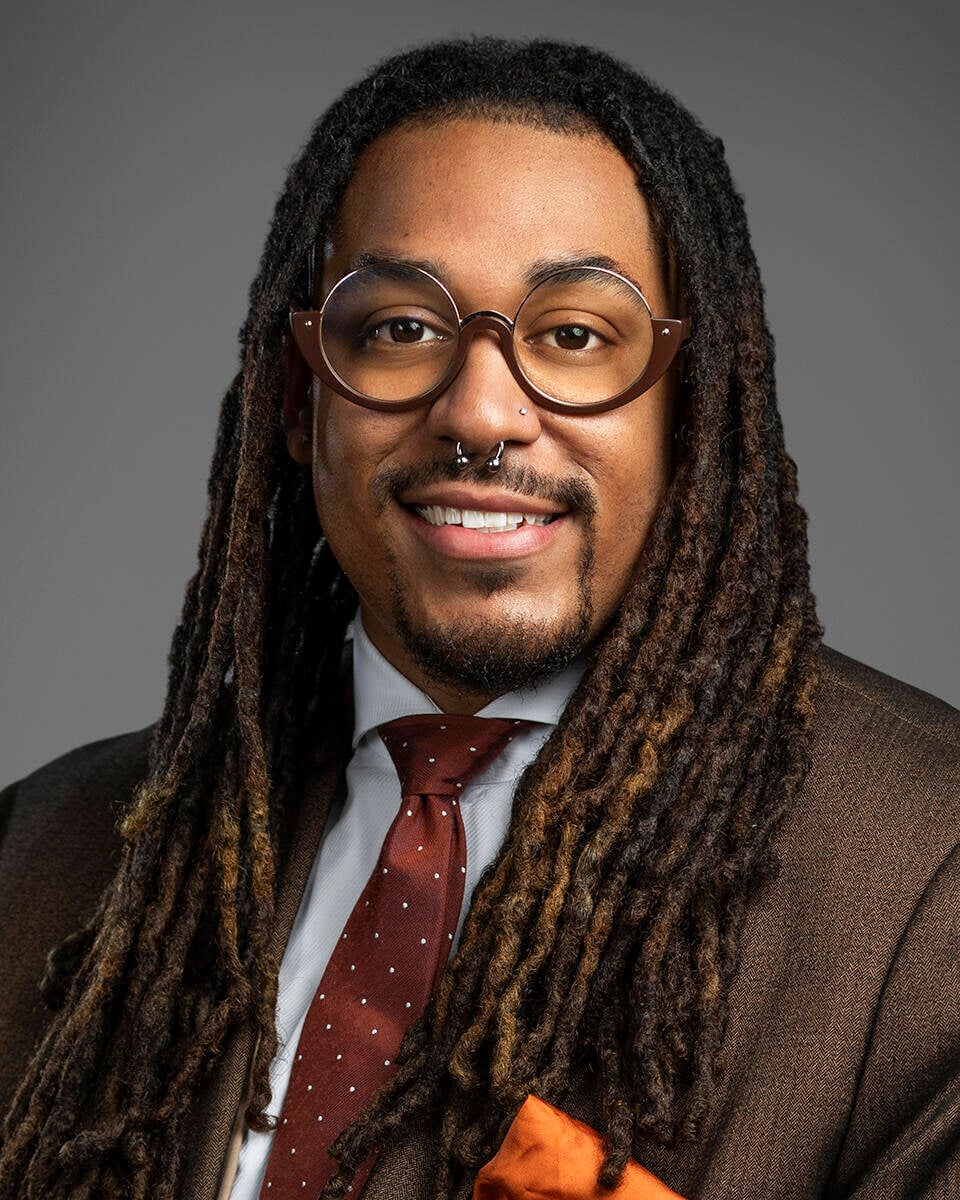



Generations of
Achievement
2026 UIC Alumni Awards Winners
Each year, the University of Illinois Chicago Alumni Association recognizes extraordinary alumni who contribute to a vibrant, healthier, more connected world.
Leveraging their UIC educations, these Alumni Award honorees uplift lives locally and abroad by applying their knowledge and dedication to pressing social challenges — from illness to educational access to people experiencing homelessness. Through their spirited work, they reimagine the status quo and ignite new realities. They advocate for overlooked populations, foster stronger communities and craft solutions to lingering inequities.
These distinguished alumni are changemakers, and their accomplishments — driven by earnest purpose and a tireless commitment to service — underscore the power of individuals to use their time and talents to create the world they want to live in.
Alumni Achievement Award
Chrissie P. N. Kaponda
PhD ’96
In a dynamic career spanning academia, service and national health systems leadership, Dr. Chrissie Kaponda has transformed futures and elevated quality of life in her home country of Malawi.
Kaponda attended UIC through the United States Agency for International Development’s African Graduate Fellowship Program. Her ability to dive into thoughtful research projects — ranging from peer education for AIDS prevention among women in Botswana, to a study of teen motherhood in the maternal-child nursing department — immediately impressed her classmates and professors.
“[Kaponda] has both exceptional intellectual capacities and a deep commitment to the nursing profession [and] women’s health,” says Dr. Kathleen Norr, Kaponda’s PhD faculty advisor at UIC.
Kaponda’s vision of improving global health care, combined with the skills and collaborations she developed during her PhD studies at UIC, deepened her expertise and expanded the impact of the work she would lead across Malawi.
Kaponda’s efforts as a faculty member at the University of Malawi’s Kamuzu College of Nursing (KCN) advanced Malawi’s nursing education and research capacity. She strengthened the nation’s pipeline of nursing educators and researchers by launching the college’s MS and PhD programs and spearheaded her own groundbreaking research projects focused on maternal/child health and HIV prevention.
In securing funding from the National Institutes of Health, she helped to establish Malawi’s first research center at a college of nursing. Her leadership positioned Malawian scholars to lead impact-driving research projects elevating care and quality of life.
After her 2015 retirement from KCN, Kaponda continued championing public and personal health across Malawi. She developed a national program to promote safer motherhood at the first lady’s request and chaired the Blantyre Water Board, where she led reforms that strengthened accountability, stabilized water access and helped curb a cholera outbreak in Lilongwe, Malawi’s largest city.
In 2022, Kaponda founded the Ekodda Foundation, a community-focused organization dedicated to enhancing health, education and sustainable development in Malawi’s Phalombe district — the area she and her family have called home for generations. The foundation’s work includes supporting HIV prevention peer groups, providing university scholarships and helping rural residents develop income-generating small businesses.
Linda McCreary BSN ’73, MSN ’93, PhD ’00, the former associate dean for global health at UIC’s College of Nursing, says Kaponda’s career stands as an inspired example of bringing global thinking to local action.
“It is difficult to overstate the significance of her contributions to both the development of the nursing profession and improvement of the health and well-being of the citizens of her country,” McCreary says.
Alumni Achievement Award
Dr. Javette Orgain
BS ’72, MD ’81, MPH ’05
A trailblazing family medicine physician, Dr. Javette Orgain spent her career caring for patients, training young doctors and strengthening community-based health care in Chicago — work that has shaped how UIC and other institutions practice and teach family medicine.
Though Orgain majored in mathematics as a UIC undergraduate, a kinesiology course sparked a fascination with the human body. At the same time, Orgain’s devotion to advocacy blossomed as she volunteered at a local YMCA tutoring students and organizing a farmers market in a Chicago public housing project on the near West Side.
“Activism at UIC in one of the first black student organizations on campus got me engaged with the community, and I never looked back,” she says. “At that time, I was also blessed with mentors who believed in my abilities and supported my dreams.”
Orgain enrolled in medical school at UIC and devoted 25 years to teaching family medicine and practice at the university, including two separate stints as medical director of the Mile Square Health Center, a Federally Qualified Health Center providing comprehensive primary care to those from Chicago communities long struggling with barriers to health care access.
Black Enterprise named Orgain one of the nation’s leading Black doctors while the National Medical Association named Orgain its Practitioner of the Year in 2014. Elsewhere, organizations such as the Illinois Academy of Family Physicians, the Cook County Physicians Association, and the Association of Black Women Physicians recognized Orgain’s career with additional honors.
Awards aside, Orgain considers mentorship her career’s “most important” endeavor.
“Then and now, I want to share so underrepresented students in medicine can learn from my experiences and not reinvent the wheel,” says Orgain, who helped the College of Medicine’s Urban Health Program recruit traditionally underrepresented students to UIC.
Although Orgain has been retired from UIC since 2017, she maintains a quick pace. She’s involved with nine organizations today, including serving as a board member for Longevity Health Plan of Illinois, a Medicare Advantage Special Needs Plan. The role continues Orgain’s lengthy career of advocacy and education on behalf of elders and individuals in nursing homes or assisted living facilities, which includes two decades as a hospice home care physician.
“I love the words of [former U.S. Congresswoman] Shirley Chisholm: ‘Service is the rent we pay for the privilege of living on this earth,’” Orgain says. “That’s my motto and I’ve tried to live by those words throughout my life. Pay it Forward!”
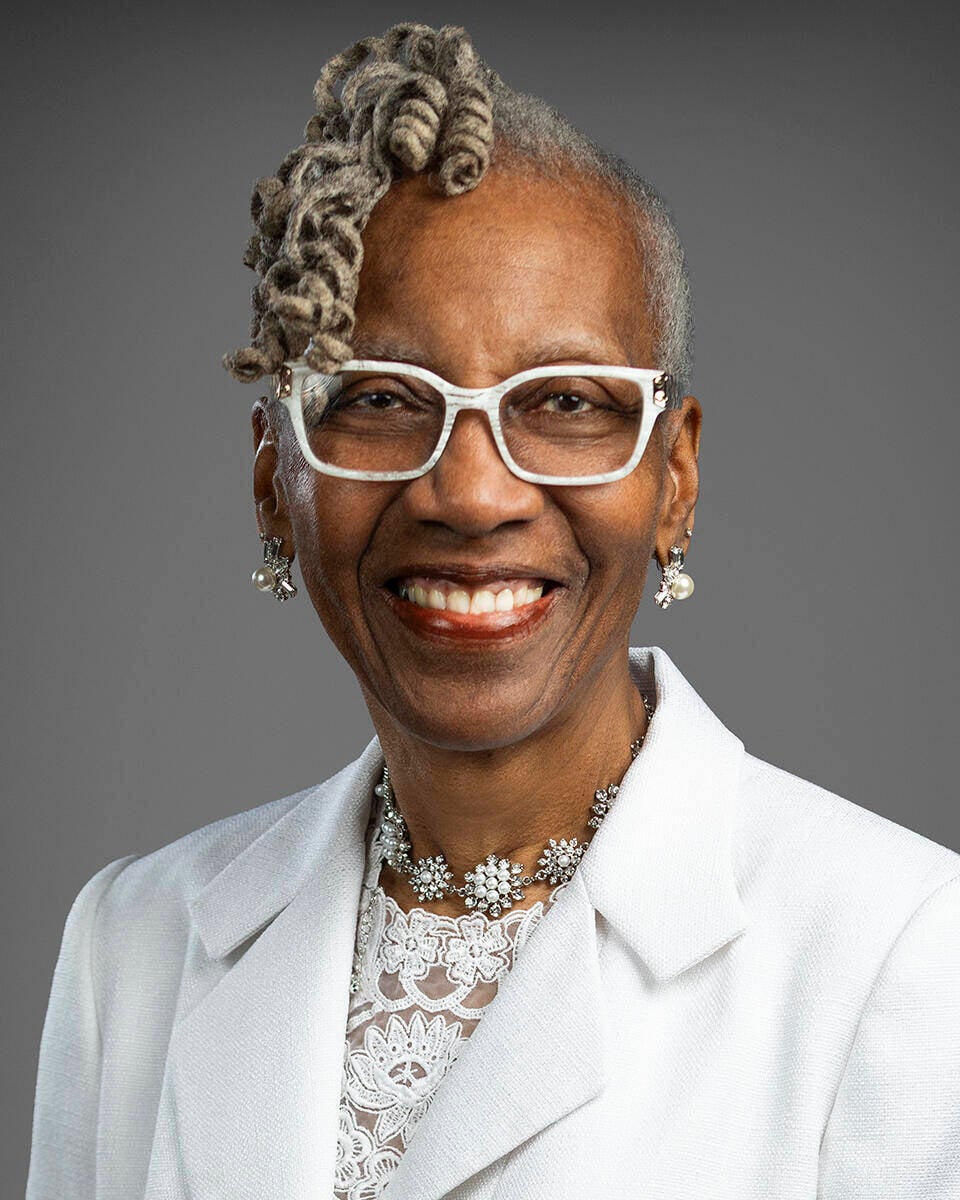
Distinguished Service Award
Peter Skosey
MUPP ’93
As Peter Skosey planned monthly events for the Chicago Area Public Affairs Group, he regularly extended personal invites to College of Urban Planning and Public Affairs (CUPPA) students he met through the CUPPA Alumni Association’s mentorship program. Skosey spearheaded the founding of the association in 1997 and helped create key organizational efforts like its mentorship program and annual block party. In his estimation, a vibrant college community rooted in personal relationships would drive individual success and elevate both UIC and CUPPA in Chicago’s professional ranks.
Skosey has a long history of championing UIC, a commitment spurred by gratitude for the university’s role in propelling his career.
The Chicago native discovered the power of advocacy and community involvement as a CUPPA graduate student. Classes, he says, leveraged Chicago as a laboratory for exploration, sparking important reflection about planning’s role in driving the long-term health of a metropolis and quality of life for its residents.
Skosey’s UIC education led to a decorated — and ongoing — career propelling Chicago’s evolution. His 20-year run with the Metropolitan Planning Council included rewriting Illinois’ Tax Increment Financing law allowing support for school expenses and steering the master plan for Union Station’s redevelopment.
Skosey, who now serves as BNSF Railway’s executive director of public and government affairs, has remained consistently engaged with his alma mater. At his behest, BNSF endowed CUPPA’s Last Mile Fund with a $50,000 gift in 2021 to provide emergency relief in perpetuity to near-graduating students encountering financial hardship.
Skosey’s efforts with CUPPA prompted board leadership roles with the UIC Alumni Association, where he recently chaired the Alumni Advocacy Task Force and guided initiatives promoting investment in the University of Illinois System.
“UIC has played such a pivotal role in setting me on my professional life’s trajectory that I’m beholden to it beyond words,” Skosey says.
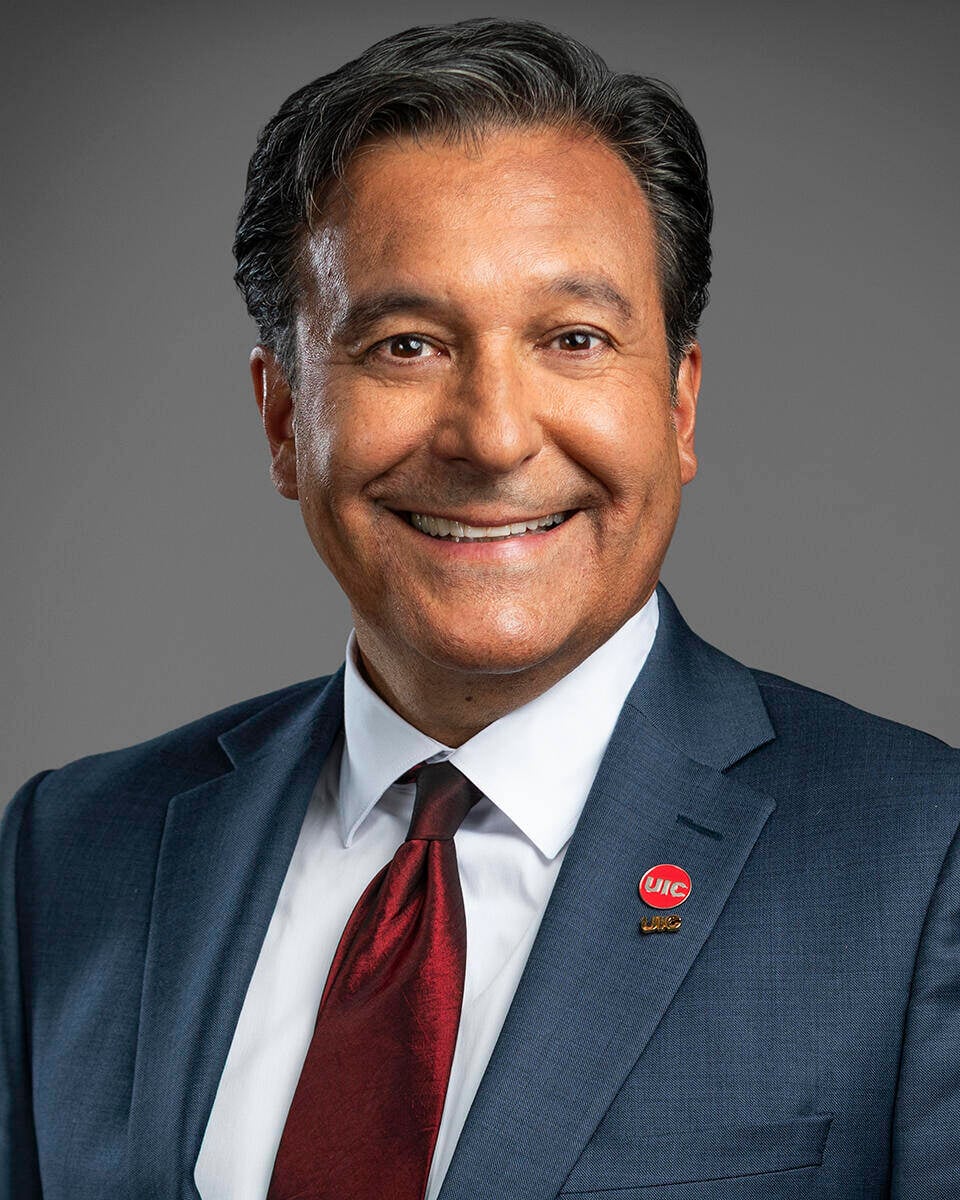
Humanitarian Award
Dr. Vijay Khiani
BS ’01, BA ’01, MD ’05
Vijay Khiani founded New Life Volunteering Society in 1999 as an undergraduate at UIC. Since then, he has grown the organization into an ambitious, multilayered service organization delivering health care, education and community support to thousands across Chicago and beyond.
Inspired by Indian spiritual leader Dada Vaswani’s challenge to uplift those in need, Khiani quickly turned NLVS into a hands‑on campus movement at UIC. Within several years of NLVS’s launch, more than 200 student volunteers were out in Chicago serving people experiencing hunger, homelessness, disability and financial hardship while the upstart organization had also launched a tutoring program supporting upwards of 250 local students.
As a UIC medical student, Khiani then spearheaded NLVS’s partnership with the Indian American Medical Association Charitable Foundation to establish a free health clinic in Chicago’s West Rogers Park neighborhood. Still in operation since 2003, the NLVS clinic effort provides the community with approximately 1,000 patient visits each year.
“UIC prioritizes community engagement and has people eager to make a difference, which made it the ideal place to launch NLVS,” Khiani says.
While the creation of 25 NLVS chapters on college campuses across the U.S. amplified NLVS’s impact, Khiani shepherded NLVS’s transformation from scattered campus student organizations into one stable nonprofit agency based in Chicago that continues to hold national ambitions.
Khiani strategically centered the group's effort in Chicago with outreach across the city and beyond. Last year, NLVS volunteers participated in almost 70 community service initiatives, including efforts such as distributing meals on a weekly basis at the Pilsen Food Pantry; providing health education workshops at a women's shelter called Deborah's place; and serving meals on Sunday evenings at the South Loop Community Table to those experiencing food and housing insecurity. (NLVS volunteers also embarked on a global health trip to Panama last summer.) The NLVS tutoring program, which Khiani started in 2001, continues to be a valuable resource for education and mentorship for students in need across the Chicagoland area.
“The sincere appreciation we receive from our efforts confirms we’re putting our energy in the appropriate places,” Khiani says. “It’s energizing to take the extra steps and provide help where it’s needed.”
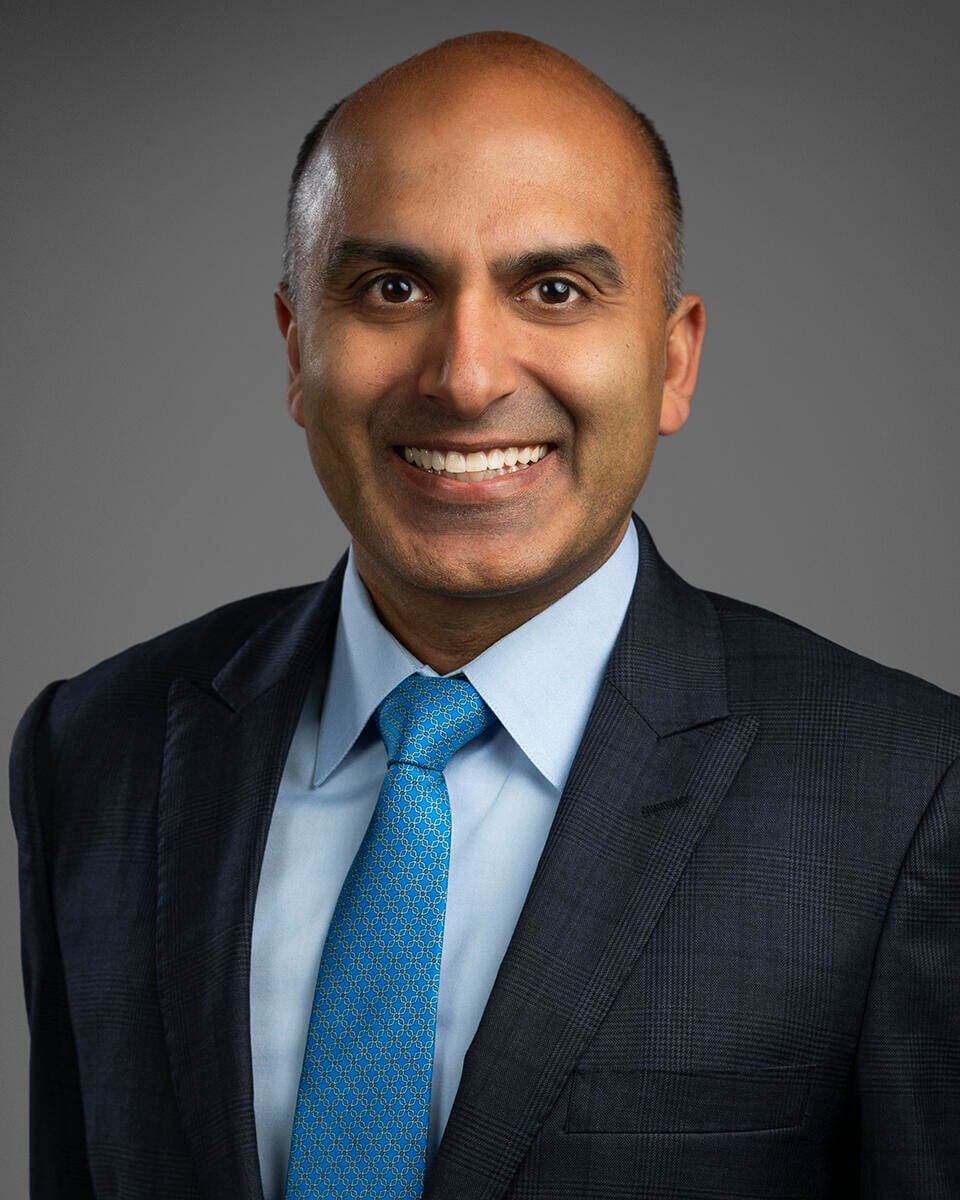
Rising Star
Leadership Award
Matthew Swalek
BA ’21
At Chicago’s City Hall, Matthew Swalek steers a transformative effort to counter decades of systemic inequities in his hometown.
Swalek, a native of Chicago’s Pullman neighborhood, attended UIC with one pragmatic mission: to graduate. Majoring in human development and learning in the College of Education, as well as his experience as an Urban Public Policy Fellow with UIC’s Institute for Policy and Civic Engagement, stirred an interest in politics.
“I saw public service as a vehicle to create change,” he says.
Swalek earned a master’s degree in public policy from the University of Chicago in 2024 and soon after joined Chicago Mayor Brandon Johnson’s policy team. There, Swalek’s thoughtful assessments of prospective policy initiatives brought immediate promotions and additional opportunities to shape Chicago’s profile.
In 2025, the Mayor's Office of Equity and Racial Justice named Swalek its director of community healing. He is now managing Chicago's Reparations Task Force, a 40-member group developing the city’s first comprehensive reparations study for release later this year. The report will analyze harmful policies to Black Chicagoans and deliver recommendations to drive equitable transformation in city operations.
“Being from an underserved part of Chicago, I understand why equity and community healing is necessary,” Swalek says. “It’s what drives me to create the greatest good for the greatest number of people, especially those from historically underserved communities across Chicago.”